
Scroll Down ▽
What If?
The Velvet Underground was easily one of the most influential bands of all time and yet not necessarily one of the most well known either. They are often referenced by other successful musicians as a big influence. We would like to investigate the past and what might have been had The Velvet Underground never existed. How would this alter the coming decades of music making? What other bands may never have formed or rose to stardom? What bands would be affected and what might be different with their music? We get into all of it below.
The History
Formation
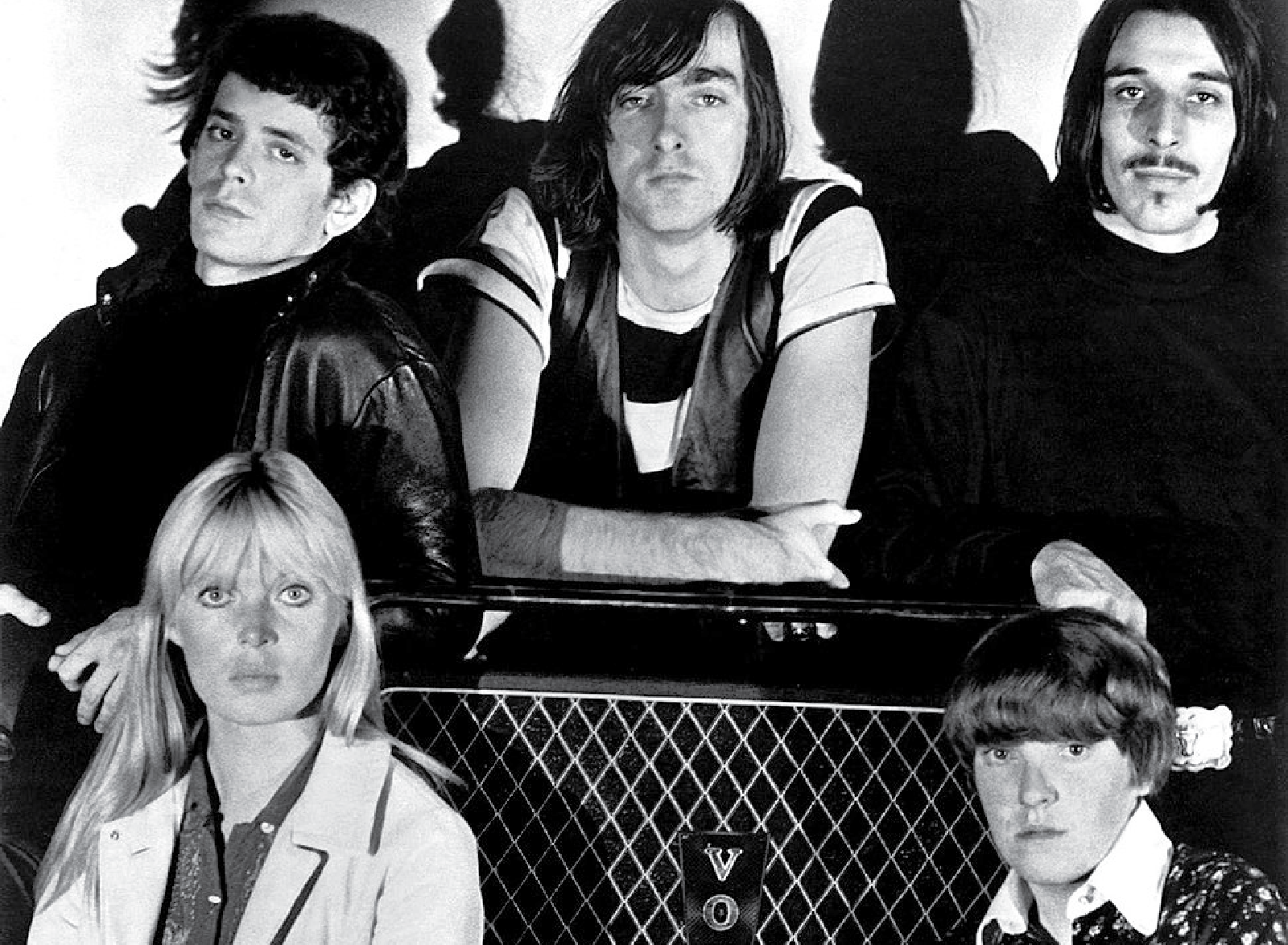
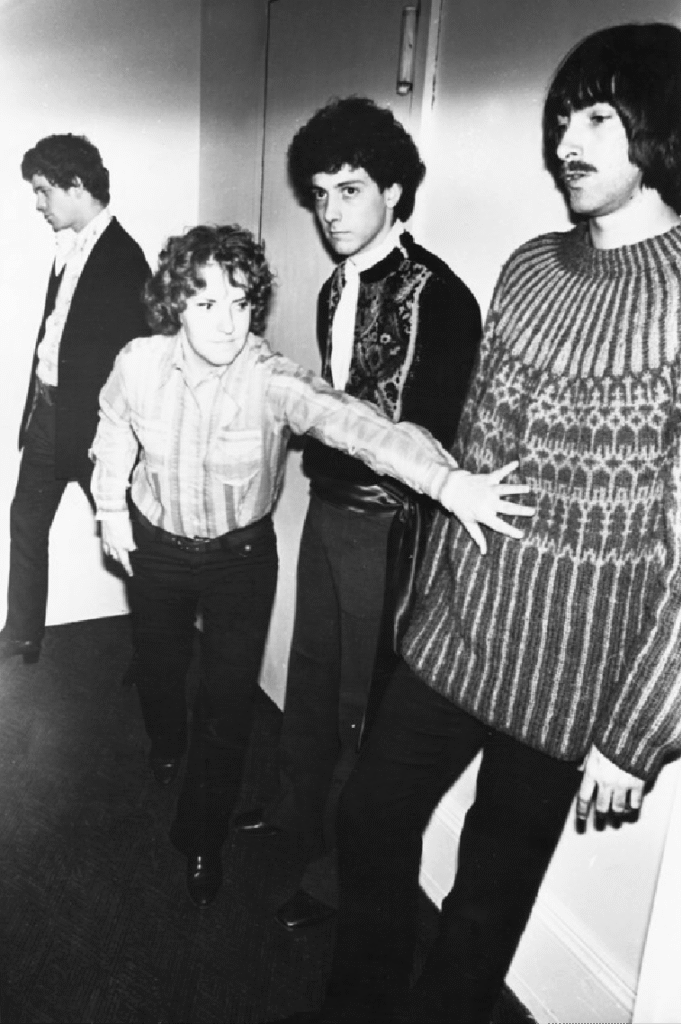
The Velvet Underground formed in New York City in 1964 when singer-guitarist Lou Reed, who had been working as a songwriter for Pickwick Records, teamed up with Welsh multi-instrumentalist John Cale, a classically trained musician immersed in the avant-garde scene. Soon joined by guitarist Sterling Morrison and drummer Maureen “Moe” Tucker, the group began experimenting with a sound that combined Reed’s streetwise lyricism with Cale’s drone-heavy minimalism. Their early performances attracted the attention of pop artist Andy Warhol, who became their manager and introduced them to German singer and model Nico, resulting in the band’s 1967 debut album, The Velvet Underground & Nico. Though it sold poorly at the time, the record’s stark realism, feedback-laden textures, and exploration of taboo subjects made it one of the most influential albums in rock history.
Influence
That debut album, with its now-iconic banana cover designed by Warhol, was initially a commercial failure but has since become one of the most influential records in rock history. Songs like “Heroin,” “I’m Waiting for the Man,” and “Venus in Furs” broke new ground with their raw depictions of urban life, addiction, and sexuality topics that few other bands of the time dared to explore. The band’s fusion of noise, drone, and melody laid the foundation for countless genres, including punk, post-punk, and alternative rock.
Artistic Vision
Despite their limited commercial success during their initial run, the Velvet Underground’s influence only grew after their breakup in the early 1970s. Lou Reed and John Cale both went on to have significant solo careers, with Reed achieving mainstream fame through albums like Transformer (1972). Over time, the band’s uncompromising artistic vision came to be celebrated as a turning point in modern music. As Brian Eno famously noted, though few people bought their records when they were first released, “everyone who did started a band.”

Our Take
1. Experimentation
Had The Velvet Underground never existed, the musical landscape of the late 20th century would likely have been far more polished and less confrontational in its embrace of the avant-garde. Emerging in the late 1960s under Andy Warhol’s patronage, the band fused raw noise, minimalism, and taboo subject matter in ways that shattered the conventions of both rock and pop. Without their example, mainstream and underground artists alike might have been slower to explore the darker, more experimental sides of urban life leaving the countercultural narratives of alienation, addiction, and deviance less vividly represented in popular music.


2. Trajectory
The absence of The Velvet Underground would also have altered the trajectory of punk, post-punk, and alternative rock. Artists like David Bowie, Patti Smith, and the Ramones drew heavily on the group’s gritty realism and aesthetic minimalism, as did later acts like Joy Division and Sonic Youth. Without that influence, punk’s rebellion might have taken a more theatrical or politically focused path, rather than the introspective, art-damaged sensibility that became its hallmark. The indie and alternative movements of the 1980s and 1990s built on lo-fi production, emotional vulnerability, and underground credibility might never have found such a solid conceptual foundation.
3. The Void

4. Music’s Underground
Ultimately, a world without The Velvet Underground would be one where popular music evolved along a narrower emotional and artistic spectrum. The band’s willingness to embrace imperfection distorted guitars, monotone vocals, and stark, confrontational lyrics opened the door for generations of musicians to view limitation as liberation. Their absence might have meant a prolonged dominance of polished studio craftsmanship and commercial songwriting, with fewer artists daring to make music that challenged rather than comforted. The Velvet Underground didn’t just influence how rock sounded; they changed what rock could mean and without them, music’s underground might have remained buried far longer.
Your Take
We want to know what you think and what you have to say about this topic! Do you agree with us? How would things have panned out if the Velvet Underground never existed? Let it all out.